Over the last year we’ve been putting together a series of five short films about Ben Jonson’s walk from London to Edinburgh in the summer of 1618 (about which you can read more here). Rather than tackle the story of the whole adventure, we decided to focus just on one stretch of the journey – the perambulation taken by Jonson and his companion through the English midlands. So what made us choose that section?
The Wonders of Scotland
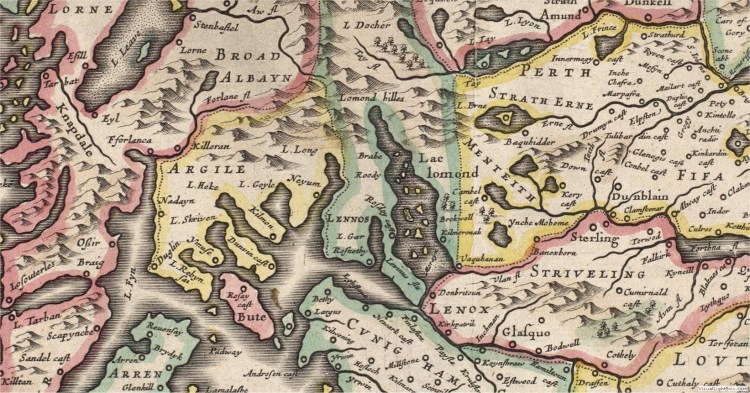
In 1603, shortly after King James VI inherited his late cousin’s throne, a London publisher printed a pamphlet offering his English readership Certayne Matters Concerning the Realme of Scotland. It was part of a upsurge of interest in all matters Scottish, as the northern realm suddenly became of pressing domestic importance to England’s inhabitants.
The pamphlet was a reprint of a tract originally published in Edinburgh nine years previously, and it takes it upon itself to list a range of different facets of Scottish land and life, very much in the manner of the early modern genre of chorography. By far the most enjoyable part of the pamphlet is its final section, ‘A Memorial of the Most Rare and Wonderful Things in Scotland’ – so, for St Andrew’s Day, here’s that section, lightly modernised and with a few editorial glosses. It focuses on natural wonders, on dogs and eagles, lochs and islands, rocks and springs. It’s both a contribution to the folklore of the country, and an attempt to list local marvels for the curious visitor from elsewhere. And it’s great fun – I especially love the idea that mountain hares were once a common sight – allegedly – around Holyrood park!
Pedants’ Corner: When did Ben Jonson die?
Each year, on August 6, the world stops to commemorate Ben Jonson’s death. Well, that’s obviously overstating it, but a few ‘on this day’ tweets go round; likewise, we get the odd mention in almanacs and lists of memorable anniversaries. Westminster Abbey, where Jonson is both buried and commemorated in Poets’ Corner, gets in on the act too. Thing is, this work of mourning also takes place – to a much lesser extent – on August 16 each year, and it would surely be beyond the extravagance even of big Ben to have had two deaths. Indeed, there’s long been confusion over exactly when the most celebrated poet of his age closed his account – and when I say ‘long’, I mean right from the month it actually happened.
Continue reading “Pedants’ Corner: When did Ben Jonson die?”
Some Stories We Can Tell About the Digital Humanities
What is there left to say about the digital humanities? I found myself staring down the barrel of that question last week, as an invited speaker at the University of Oxford’s wonderful Digital Humanities Summer School. I gulped. So much has already been said, after all. There are journals, handbooks, and overviews, publishers’ lists, blogs, online communities, small colloquia and large scale annual conferences. There are centres and institutes and labs, research council themes, a ceaseless torrent of lively, exciting, innovative projects and initiatives with which it’s already impossible to keep up. Surrounded by all this whirl, it might seem forlorn for a relatively late entrant into the field like myself to have any hope of saying something interesting at all. Indeed, I may not have done. I could have kept my head down, I suppose, and focused on the minutiae of projects I’ve been involved with. But I find myself, despite the evident hazards, unable to resist the temptation to lift the gaze a bit – to try and see a story, an itinerary, plugging those projects into a broader movement or process. But what would that story be?
Continue reading “Some Stories We Can Tell About the Digital Humanities”
How to Live in the Past
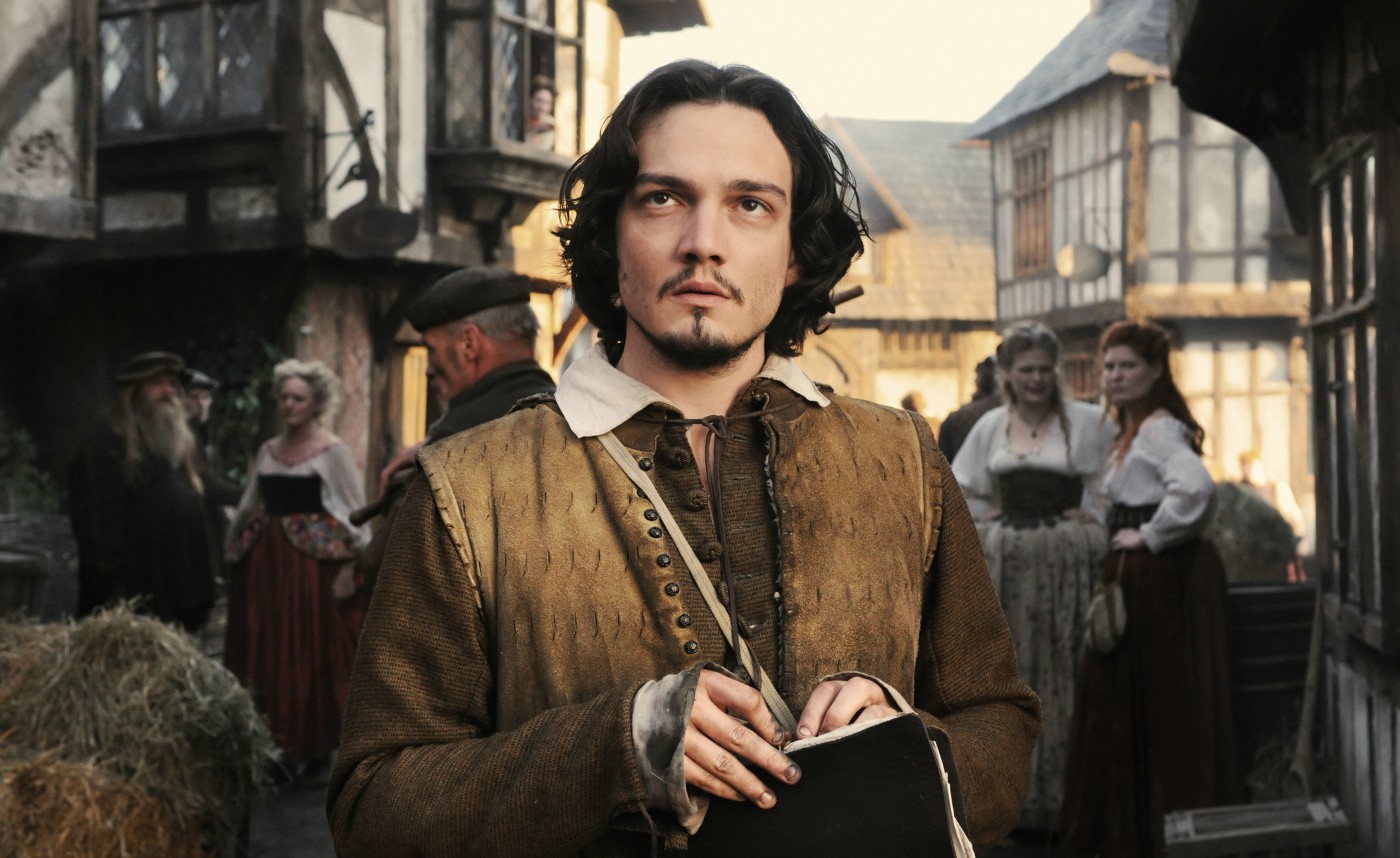
I spent two ridiculously busy days last week helping out with the only slightly impossible task of filming Ben Jonson’s 1618 walk from London to Edinburgh. We weren’t going for the whole thing – we had decided to focus on one of several detours the walkers took from the route of the old or great north road. This one took the form of two arcs – out to Belvoir and Bottesford before touching base again at Newark, and then off westwards again via Rufford and Welbeck to reach as far as Bolsover. We spent a lot of time criss-crossing what had seemed, from the map, like a little corner of – mostly – Nottinghamshire, but which wasn’t quite so compact once we got out there.
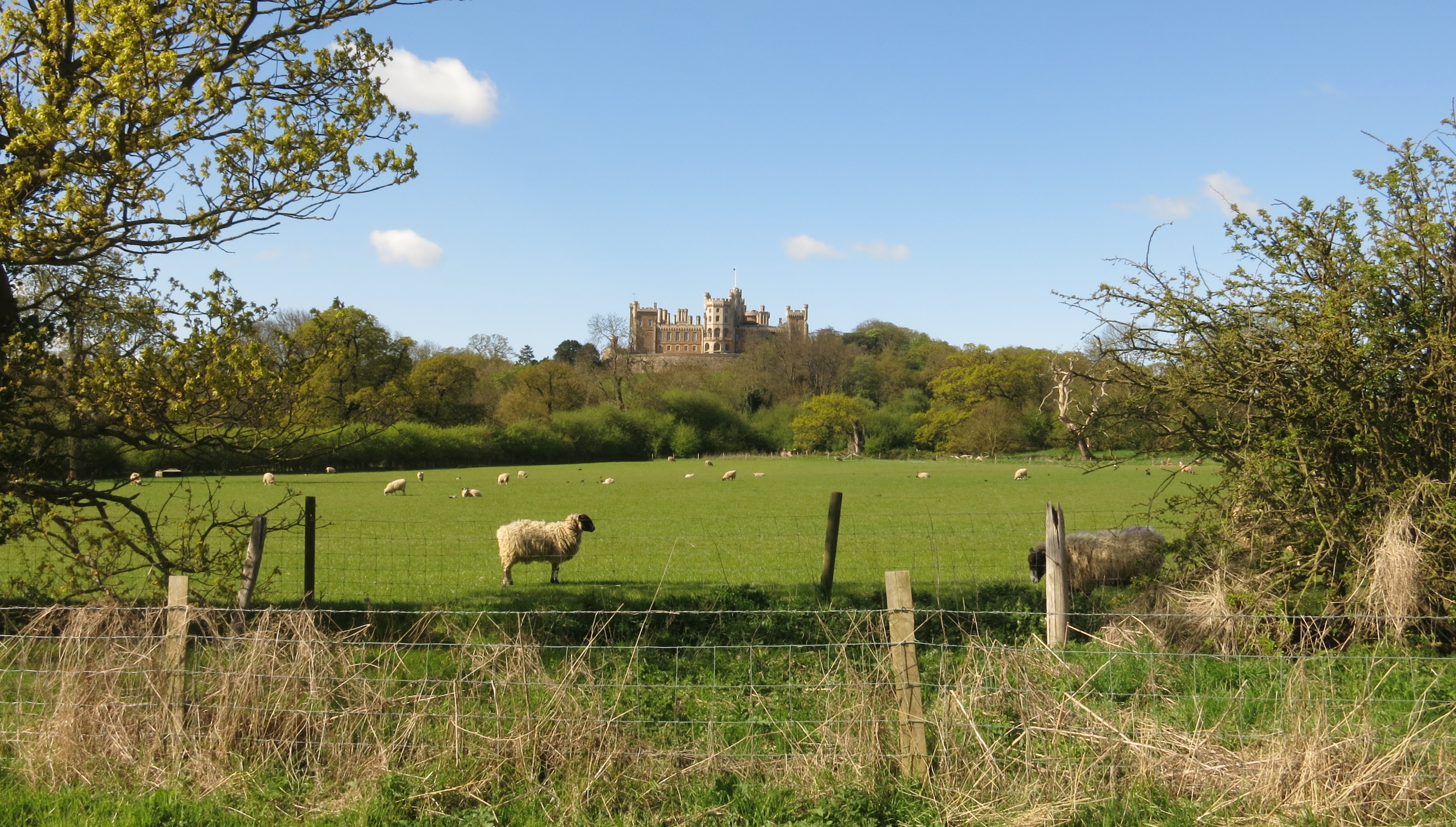
We were trying not only to retrace Jonson’s footsteps, but to indicate some of the ways in which his 400 year old piece of performance art might be grasped at such a great distance in time. It is all very well tracing out a journey as a line on the map, but unless you can get some sense of the peaks, troughs, plateaux and vistas you won’t get a feel for its rhythm, or even the sequence of sights and views it presents you with. Slogging up to Belvoir, then struggling to get your breath back while you pick out your next destination by its spire in the vale below, brings home just how much of a bodily effort it all was.
 JAMES LOXLEY